
The integration of blockchain technology into traditional asset markets has opened up new pathways for investment, ownership, and liquidity. Among the most transformative innovations in this space is the rise of RWA (Real-World Asset) NFTs tokenized representations of tangible assets such as real estate, commodities, luxury items, and even intellectual property. These digital tokens are backed by verifiable real-world assets, bridging the gap between the physical and digital economies.
RWA NFTs have become a central element in the tokenization of real-world assets, a market projected to surpass $16 trillion by 2030, according to major financial institutions. By converting physical assets into blockchain-based tokens, investors gain fractional ownership, improved transparency, and enhanced liquidity qualities that traditional asset markets often lack. From real estate investors looking for global reach to commodity traders seeking faster settlements, RWA NFTs are transforming how assets are owned, traded, and managed.
In this comprehensive guide, we’ll explore how RWA NFTs can be leveraged across various sectors including real estate, commodities, art, and luxury goods and how they are shaping the future of digital asset ownership.
Understanding RWA NFTs: The Concept Explained
RWA NFTs, or Real-World Asset Non-Fungible Tokens, are blockchain-based tokens that represent ownership or claim over a tangible, off-chain asset. Unlike typical NFTs that signify digital art, music, or collectibles, RWA NFTs have intrinsic value tied to physical assets. They blend the benefits of blockchain such as immutability, transparency, and programmability with the reliability and value of real-world assets.
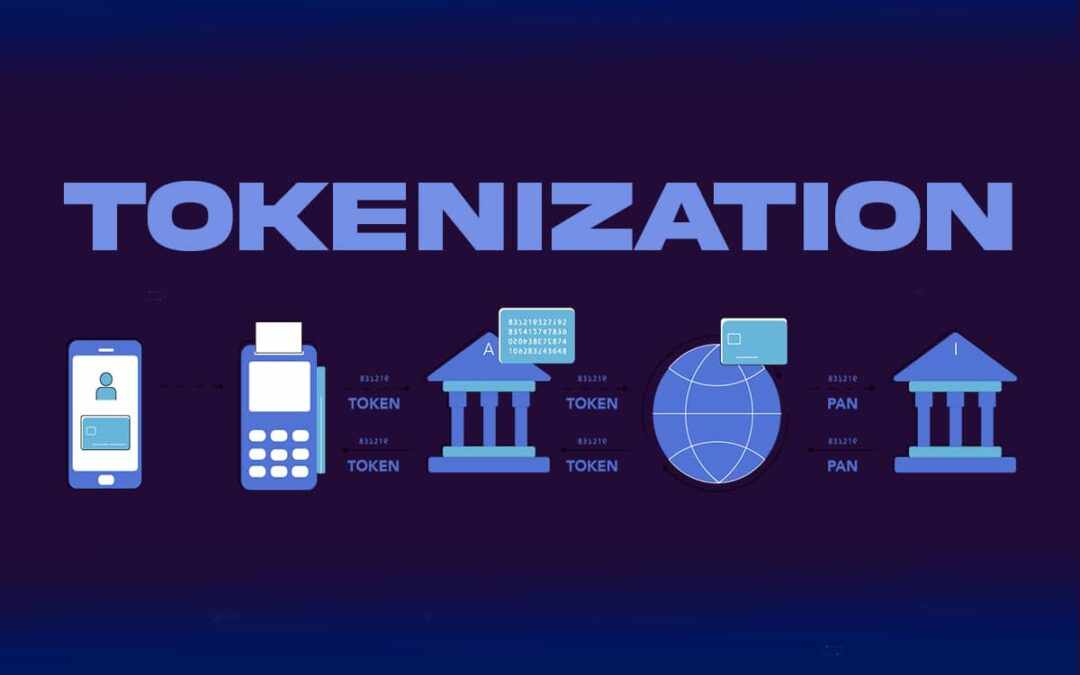
The process begins with asset tokenization, where a physical item or investment (like a building, artwork, or gold bar) is converted into a digital token on a blockchain. This token serves as a unique, verifiable proof of ownership. Smart contracts define the rights, obligations, and transferability of these tokens, enabling seamless transactions and automated compliance.
Moreover, RWA NFTs can be fractionalized, meaning an expensive asset like a commercial property can be divided into smaller NFT shares. This fractional ownership lowers entry barriers, making high-value investments accessible to a broader audience.
How RWA NFTs Are Different from Traditional NFTs
While both RWA NFTs and conventional NFTs utilize blockchain technology, their value models and applications differ significantly. Traditional NFTs are typically tied to intangible digital assets, whose worth depends on market sentiment, rarity, and creator reputation. In contrast, RWA NFTs are backed by tangible physical assets, offering measurable and verifiable intrinsic value.
For instance:
A digital art NFT might fluctuate based on trends or hype.
A real estate-backed NFT, however, derives value from property appraisals, rental income, and local market conditions.
Additionally, RWA NFTs introduce an element of regulatory compliance, requiring legal verification of asset ownership, custodianship, and smart contract design. This compliance ensures that the digital token truly reflects real-world rights, making it a more trustworthy form of investment.
The Tokenization Process: Turning Real Assets into NFTs
To leverage RWA NFTs effectively, it’s crucial to understand the tokenization lifecycle the process through which physical assets become blockchain-based tokens. This process typically involves five key steps:
Asset Identification and Valuation
The process starts by identifying a real-world asset suitable for tokenization. Legal ownership is verified, and a professional valuation ensures transparency and accuracy.Legal Structuring
Regulatory compliance is critical. Legal frameworks are established to define investor rights, responsibilities, and profit-sharing mechanisms. The asset may be held by a custodian or in a Special Purpose Vehicle (SPV) that issues the tokens.Token Creation
The asset’s ownership is represented as NFTs (or fractional NFTs). Smart contracts are designed to manage transfers, royalties, and compliance requirements.Platform Listing
Once created, RWA NFTs can be listed on specialized marketplaces or tokenization platforms where investors can buy, sell, or trade them.Trading and Secondary Market Management
Investors can resell or trade these NFTs in secondary markets, benefiting from improved liquidity and potentially appreciating value.
This process bridges traditional finance with decentralized ecosystems, bringing tangible value into blockchain-powered investment models.
Leveraging RWA NFTs in Real Estate
Tokenized Real Estate: The Future of Property Ownership
Real estate has emerged as one of the most prominent sectors for RWA NFT integration. Traditionally, investing in real estate requires substantial capital, complex documentation, and geographic constraints. Tokenization eliminates these barriers by dividing properties into fractionalized NFTs, allowing investors to purchase smaller, affordable shares.
Each NFT represents a stake in a property be it a luxury villa, office space, or commercial building and entitles holders to proportional returns, such as rental income or capital appreciation. Blockchain ensures that every transaction is recorded immutably, offering transparency and security to all stakeholders.
Key Benefits in Real Estate Tokenization
Fractional Ownership: Allows global investors to buy shares of high-value properties.
Enhanced Liquidity: Enables investors to trade property shares seamlessly in secondary markets.
Automated Compliance: Smart contracts streamline KYC, legal documentation, and payment settlements.
Transparency: Immutable records prevent disputes and fraud.
For example, real estate tokenization platforms such as RealT, Propy, and Lofty have already enabled investors to buy property shares represented as NFTs, earning rental income and capital gains with minimal administrative overhead.
RWA NFTs in Commodities: Revolutionizing Tangible Asset Markets
Tokenizing Commodities for Efficient Trade
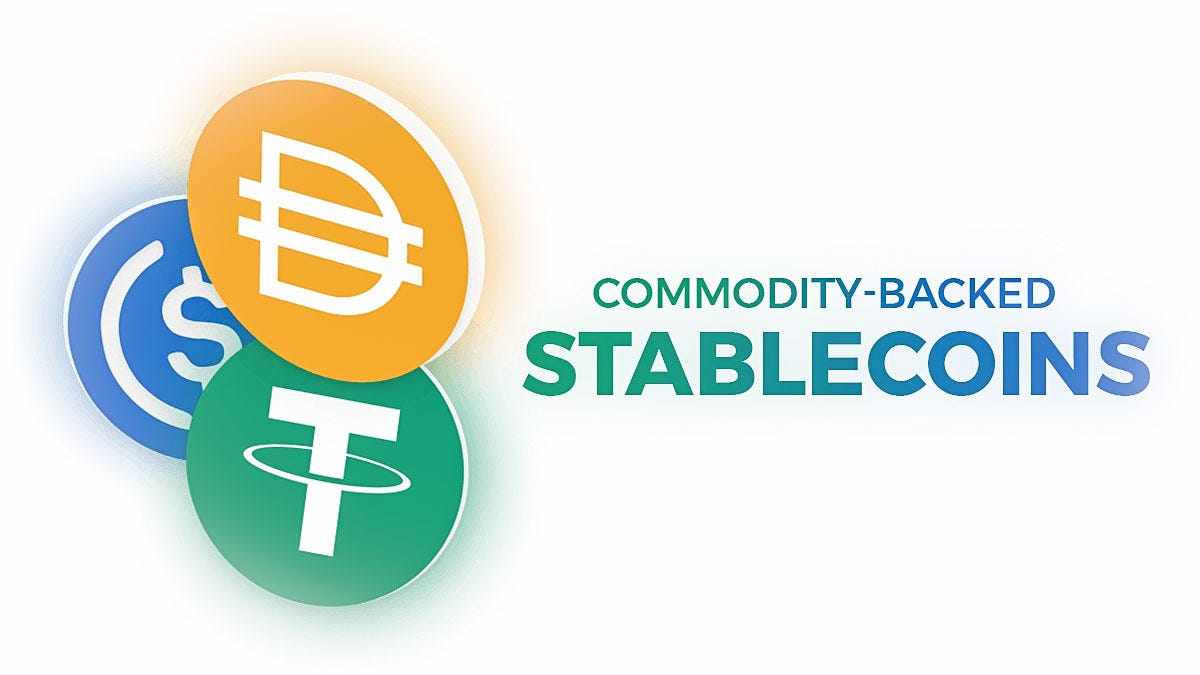
Commodity markets encompassing assets like gold, silver, oil, and agricultural products are also being transformed through RWA NFTs. Historically, trading commodities involves high costs, intermediaries, and settlement delays. Tokenization simplifies this by digitizing the ownership of these assets and representing them as NFTs on the blockchain.
For instance, one NFT could represent one ounce of gold stored securely in a vault. Holders can trade or redeem the NFT for the physical commodity, ensuring asset-backed authenticity and eliminating counterparty risks. This model is especially beneficial for small investors who cannot traditionally access large-scale commodity markets.
Advantages of Commodity-Backed NFTs
Liquidity: Instant tradeability of traditionally illiquid assets.
Transparency: Each NFT is linked to verifiable custody and audit data.
Fractionalization: Enables micro-investments in commodities.
Global Accessibility: Cross-border trading without intermediaries.
Blockchain-based projects like Tether Gold (XAUT) and Pax Gold (PAXG) exemplify how tokenized commodities have become viable investment options, offering both stability and accessibility in volatile markets.
Expanding Horizons: RWA NFTs in Art, Collectibles, and Luxury Goods
The art and luxury goods industries have also embraced RWA NFTs as tools for transparency and provenance verification. Traditionally, ownership verification of rare art or luxury items can be complicated, leading to issues of forgery and fraud. RWA NFTs solve this problem by anchoring each physical asset to a unique digital token recorded on the blockchain.
A painting, luxury watch, or collectible car can be minted as an NFT with metadata verifying its authenticity, ownership history, and condition. The NFT acts as a digital certificate of authenticity, eliminating counterfeit risks.
Benefits for Art and Luxury Goods
Authenticity Verification: Prevents fraud through blockchain-backed records.
Fractional Ownership: Enables shared investment in high-value artworks.
Ease of Transfer: Simplifies asset transfer without traditional logistics.
Increased Market Reach: Artists and collectors can attract global buyers.
Projects like Masterworks and 4K Protocol have pioneered this space, allowing investors to hold NFT-based shares in real-world artworks and luxury collectibles.
How RWA NFTs Enhance Liquidity and Accessibility
Liquidity has always been a challenge in real-world asset markets. Selling real estate, rare collectibles, or commodities can take months due to bureaucratic hurdles. RWA NFTs resolve this by introducing on-chain liquidity pools and NFT marketplaces that facilitate instant trading.
Through tokenization, asset ownership can be transferred in seconds, with payments automatically processed via smart contracts. This instant settlement mechanism removes intermediaries and reduces transaction costs. Additionally, fractionalization democratizes access, enabling investors from different income levels to participate in once-exclusive markets.
Decentralized finance (DeFi) integration further boosts liquidity. RWA NFTs can be used as collateral for crypto loans, staked to earn yields, or even traded on decentralized exchanges (DEXs), creating a circular economic ecosystem for tokenized assets.
Regulatory Landscape and Compliance Challenges
Despite their potential, RWA NFTs operate in a complex regulatory environment. Since these tokens represent tangible assets, they often fall under securities and asset ownership laws, depending on jurisdiction. Ensuring compliance with KYC (Know Your Customer) and AML (Anti-Money Laundering) regulations is essential.
Moreover, establishing legal clarity around ownership transfer between on-chain tokens and off-chain assets remains a major hurdle. The relationship between NFT ownership and real-world asset custody must be legally enforceable for investor protection.
Governments and regulators are gradually catching up, with jurisdictions like Switzerland, Singapore, and the UAE leading the way in establishing tokenization frameworks that recognize RWA NFTs as legitimate financial instruments.
Technical Architecture of RWA NFTs
At the technical level, RWA NFTs rely on smart contracts and off-chain oracles to ensure authenticity and real-world data synchronization. The architecture typically includes:
Smart Contracts: Manage ownership, transactions, royalties, and compliance.
Oracles: Connect off-chain data, such as asset valuations or custodial verification, to blockchain systems.
Custodial Services: Securely store the physical assets linked to NFTs.
Compliance Layers: Implement regulatory logic, such as identity checks or restrictions on transfers.
Leading blockchains such as Ethereum, Polygon, and Avalanche are widely used for RWA tokenization due to their flexibility and large developer ecosystems. Interoperability solutions also enable cross-chain NFT transfers, enhancing accessibility across ecosystems.
Integration of RWA NFTs with DeFi Ecosystems
The fusion of DeFi (Decentralized Finance) and RWA NFTs has given rise to new financial models where tokenized real-world assets can generate passive income or serve as collateral for loans. For example, a property-backed NFT can be deposited into a DeFi protocol to secure a crypto loan, effectively unlocking the liquidity of a traditionally illiquid asset.
Moreover, yield farming protocols now support RWA NFTs, where investors earn rewards for staking their tokenized assets. This hybrid model merges traditional wealth-building strategies with decentralized finance innovation, creating sustainable and transparent investment opportunities.
Case Studies: Successful RWA NFT Implementations
RealT (Real Estate Tokenization)
RealT fractionalizes real estate properties in the U.S., allowing global investors to earn daily rental income via blockchain-based NFTs.Pax Gold (Gold Tokenization)
Each PAXG token represents one fine troy ounce of physical gold stored in London vaults, offering digital ownership of a real-world commodity.Masterworks (Art Tokenization)
Enables fractional investments in high-value artworks by issuing NFTs that represent ownership shares in authenticated masterpieces.Swarm Markets (Regulated Tokenization Platform)
Provides tokenization infrastructure with built-in compliance features, enabling institutions to tokenize securities and commodities securely.
These projects highlight how RWA NFTs are bridging real-world investment models with blockchain’s efficiency and transparency.
Future Outlook: The Evolution of RWA NFTs
The future of RWA NFTs looks highly promising. As blockchain adoption expands across industries, the tokenization of real-world assets will become a mainstream investment mechanism. Financial giants like BlackRock, JPMorgan, and Citi are already exploring tokenized asset frameworks, signaling institutional interest.
By 2030, tokenized RWAs could encompass everything from carbon credits and renewable energy certificates to supply chain assets and intellectual property rights. Combined with AI-driven valuation systems and interoperable DeFi infrastructure, RWA NFTs will become the backbone of the next-generation digital economy.
Conclusion
RWA NFTs are redefining how the world perceives asset ownership, trading, and investment. By bridging the gap between traditional finance and blockchain ecosystems, they offer unprecedented liquidity, transparency, and accessibility. Whether in real estate, commodities, or luxury markets, these tokens are reshaping value exchange across global industries.
As regulations mature and infrastructure evolves, businesses and investors who embrace RWA tokenization early will gain a significant competitive advantage. The ability to tokenize, fractionalize, and trade real-world assets seamlessly marks a pivotal shift toward a decentralized and inclusive financial future.





Write a comment ...