
The cryptocurrency landscape has undergone a fascinating transformation, moving from purely speculative trading to innovative, utility-driven ecosystems. Among the most surprising evolutions is the rise of meme coins digital tokens initially born out of humor and viral internet culture. What started as playful experiments like Dogecoin has now become a serious economic and marketing tool, especially when merged with the Decentralized Finance (DeFi) ecosystem. Today, meme coins are no longer just entertainment assets; they’re being developed as vehicles for brand engagement, loyalty programs, and community-driven finance.
As DeFi protocols enable open, transparent, and permissionless financial utilities, meme coin development is becoming a powerful bridge between crypto innovation and real-world brand adoption. This blog explores how DeFi utility empowers brands through meme coins, their evolving economic models, and why these hybrid tokens represent the next stage of Web3-driven marketing and consumer engagement.
The Rise of Meme Coins: From Jokes to Digital Movements
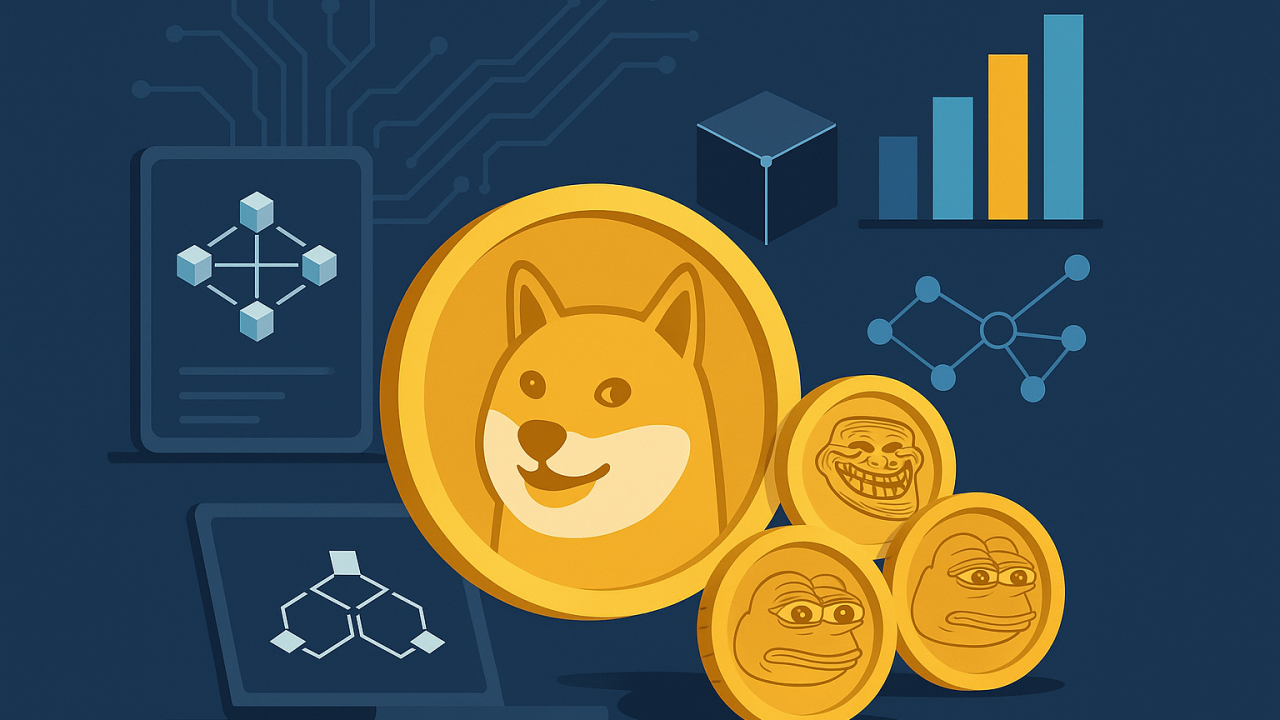
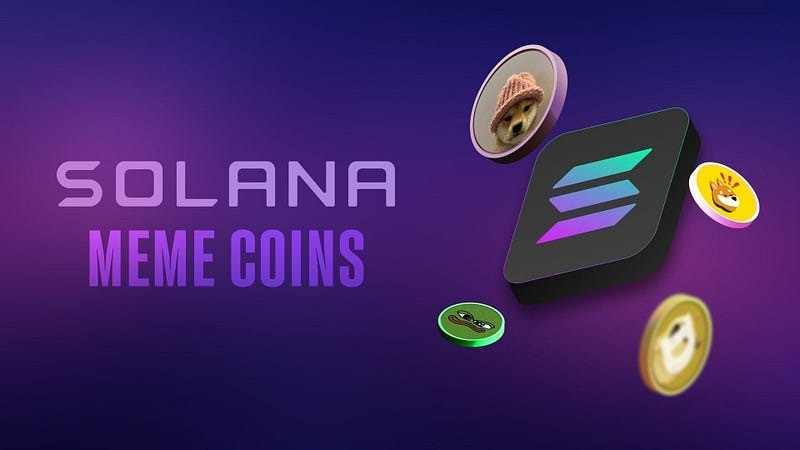
Meme coins began as parodies of mainstream cryptocurrencies. Dogecoin, launched in 2013, was inspired by the Shiba Inu meme and was never meant to be taken seriously. However, the community’s enthusiasm turned it into a global phenomenon. Fast forward to today, meme coins like Pepe Coin, Bonk, and Dogwifhat have evolved beyond jokes they have become instruments for community-driven engagement and brand-building.
The shift occurred when developers and marketers began realizing that meme coins’ viral power could be combined with functional tokenomics. Unlike traditional corporate marketing campaigns, meme coins leverage community culture and decentralized ownership to generate organic traction. DeFi’s rise has accelerated this transformation, allowing meme coins to be integrated into yield farming, staking, decentralized exchanges, and liquidity pools creating real-world financial incentives.
This convergence between memes and DeFi utility is the cornerstone of the new brand adoption strategy, where humor and finance merge to create long-term engagement.
Understanding DeFi Utility in the Context of Meme Coins
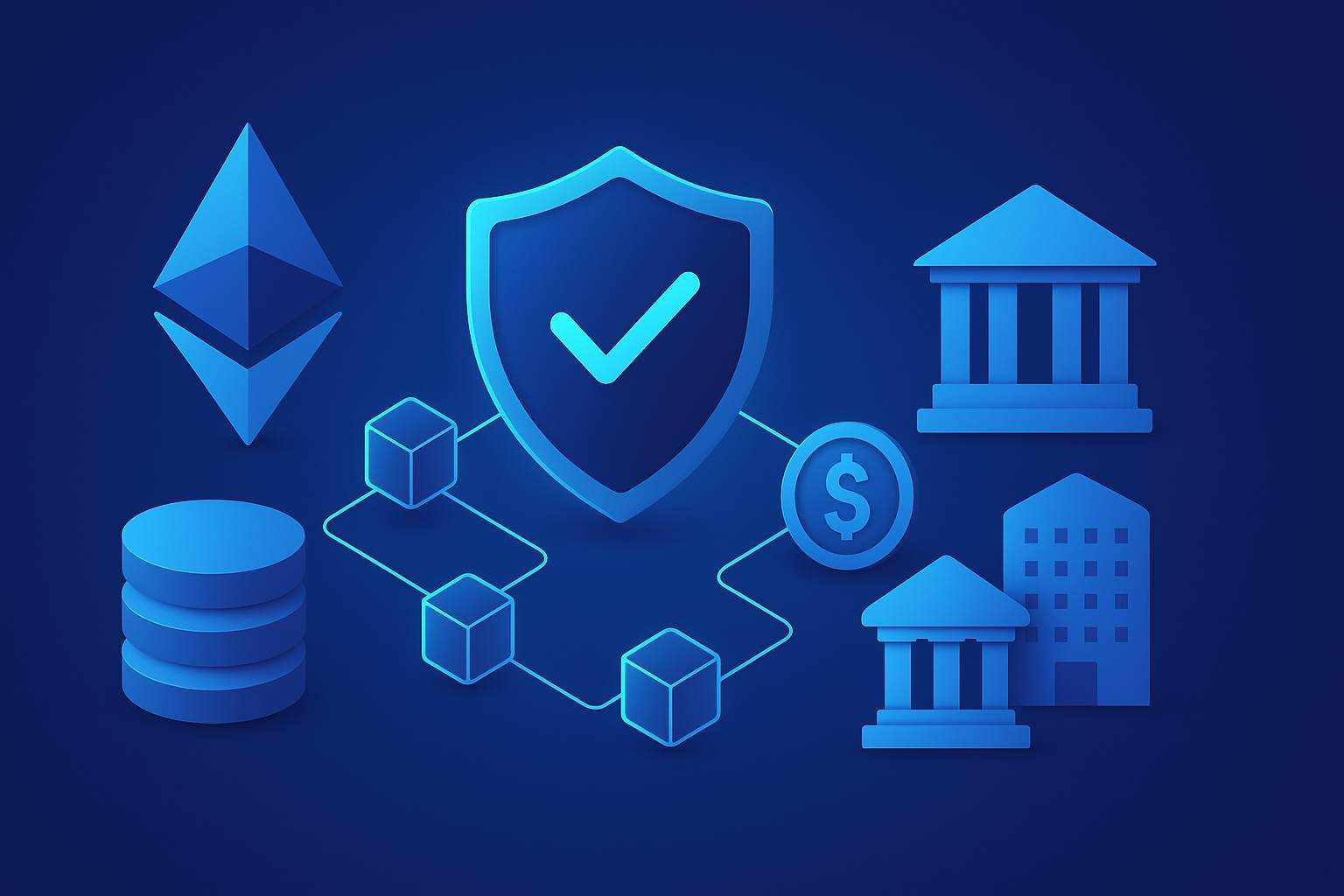
DeFi (Decentralized Finance) represents an ecosystem of financial services built on blockchain networks, eliminating intermediaries like banks. Through smart contracts, DeFi enables lending, borrowing, trading, and yield generation. When meme coins integrate these features, they transcend entertainment and acquire tangible financial use cases.
For instance, DeFi enables staking mechanisms that reward meme coin holders with additional tokens. Yield farming opportunities allow liquidity providers to earn passive income, while decentralized exchanges provide instant and permissionless trading. Meme coin projects leveraging DeFi thus offer both community participation and financial empowerment.
DeFi also introduces governance mechanisms, where users can vote on development decisions or token utility changes, reinforcing the community-first nature of meme coins. This synergy creates ecosystems where financial activity, cultural participation, and brand storytelling coexist all without centralized control.
How Meme Coin Development Is Shaping the Future of Brand Engagement
Traditional brand marketing is expensive and often fails to retain consumer attention in a saturated digital landscape. Meme coins are revolutionizing this dynamic by enabling brands to tokenize their identity, offering interactive and gamified experiences.
When a brand launches a meme coin, it effectively invites its audience to become part of its financial and cultural journey. For example, fans can hold, trade, or stake branded meme coins, gaining exclusive benefits like discounts, NFTs, or access to events. These tokens evolve into digital loyalty assets, reinforcing brand identity while building an engaged Web3-native community.
Moreover, meme coins thrive on viral storytelling an essential trait for modern brands aiming to reach Gen Z and digital-native audiences. By integrating DeFi utilities, brands can sustain these tokens’ economic value, ensuring long-term participation beyond initial hype. This is how memes evolve into economic ecosystems where participation is both fun and financially rewarding.
The Convergence of DeFi and Brand Tokenomics
Tokenomics, the economic model governing a token’s supply and demand, plays a vital role in any crypto project. When brands integrate meme coins with DeFi tokenomics, they unlock dynamic participation layers.
DeFi liquidity pools enable seamless trading and price discovery for meme coins. Staking systems reward long-term holders, while yield-generating mechanisms enhance token circulation and prevent stagnation. Brands can also introduce buyback-and-burn models to control inflation and maintain token value.
These mechanisms are not just financial tools they’re strategic levers for community retention. A well-designed DeFi-meme hybrid ensures that users are incentivized both emotionally (through brand attachment) and economically (through token rewards). This dual motivation transforms passive fans into active stakeholders, enhancing long-term loyalty.
Real-World Applications of Meme Coin Utility in Branding
In 2025, several brands and creators are experimenting with meme coin integration as part of their Web3 marketing campaigns. Some examples include:
Entertainment brands launching meme coins that reward fans for streaming or promoting their content.
Gaming companies developing meme-based tokens that offer in-game utilities or serve as community governance assets.
Influencers and creators issuing personal meme tokens to reward followers with access, NFTs, or profit shares.
E-commerce brands implementing DeFi-enabled meme tokens as loyalty rewards that can be staked for discounts or exclusive product drops.
Each use case emphasizes one central theme meme coins are transforming digital interactions into financial ecosystems. When paired with DeFi, these tokens enable new monetization models, effectively merging community engagement with decentralized economics.
DeFi-Powered Brand Loyalty Through Meme Coins
One of the most innovative applications of meme coins is in brand loyalty and customer retention. Unlike traditional reward points, meme coins carry market value and can be traded or staked for additional income.
Imagine a coffee brand launching its own meme coin. Customers earn tokens with every purchase. They can stake these tokens in a DeFi protocol to earn yield, trade them on decentralized exchanges, or redeem them for exclusive merchandise. This approach redefines loyalty programs by giving customers true ownership and financial incentives.
Additionally, brands can incorporate NFT integrations, allowing users to convert staked meme coins into limited-edition collectibles or event passes. Through DeFi smart contracts, these systems operate transparently, creating trust between brands and their communities.
The Role of Community Governance in Meme Coin Ecosystems
Decentralized governance is another DeFi feature redefining meme coin development. Instead of top-down control, meme coin ecosystems empower users to vote on future developments, partnerships, or marketing strategies through decentralized autonomous organizations (DAOs).
This governance model fosters a sense of ownership and accountability. For instance, community members can decide whether the brand should collaborate with another project or fund a specific marketing campaign. Such decentralized decision-making ensures that meme coins remain community-centric a critical factor for long-term brand engagement.
Governance tokens can also provide voting weight proportional to token holdings, encouraging both small and large investors to participate in ecosystem growth. This fusion of democracy and finance is what makes DeFi-integrated meme coins powerful instruments for decentralized branding.
How DeFi Liquidity Mechanisms Strengthen Meme Coin Ecosystems
Liquidity is the lifeblood of any cryptocurrency, ensuring users can easily buy or sell tokens without significant price fluctuations. DeFi introduces advanced liquidity mechanisms, such as automated market makers (AMMs), which replace traditional order books with liquidity pools.
For meme coins, this feature ensures continuous and efficient trading, even for niche community tokens. Brands launching meme coins can use liquidity mining campaigns to incentivize users to provide liquidity in exchange for rewards. This approach not only strengthens token stability but also encourages active participation from the community.
Moreover, liquidity provision through DeFi reduces reliance on centralized exchanges, enabling true decentralization a value closely aligned with meme culture and brand transparency.
How DeFi Yield Farming Adds Financial Incentives to Meme Coin Projects
Yield farming allows token holders to earn passive income by providing liquidity or staking tokens in DeFi protocols. For meme coin projects, this creates a win-win scenario. Holders benefit from attractive yields, while brands gain continuous liquidity and engagement.
Developers can design farming pools where users lock their meme coins in exchange for governance tokens or branded NFTs. This gamified earning structure not only sustains token demand but also boosts user retention. By rewarding long-term participation, brands ensure that their communities remain active even after the initial hype fades.
DeFi-based yield farming thus turns meme coin ecosystems into sustainable financial playgrounds, where entertainment meets profitability.
How Cross-Chain DeFi Expands Meme Coin Reach
Interoperability is one of the latest breakthroughs in DeFi, allowing tokens to move seamlessly across different blockchain networks. Cross-chain bridges enable meme coins to reach broader audiences and ecosystems.
A brand that initially launches its meme coin on Ethereum, for instance, can later deploy it on Polygon or Binance Smart Chain for lower transaction fees and expanded accessibility. This cross-chain capability ensures that meme coin ecosystems remain scalable, cost-efficient, and globally inclusive.
Moreover, multi-chain support attracts diverse liquidity providers and investors, further enhancing the meme coin’s credibility and adoption.
Tokenized Branding: Merging DeFi with Marketing Innovation
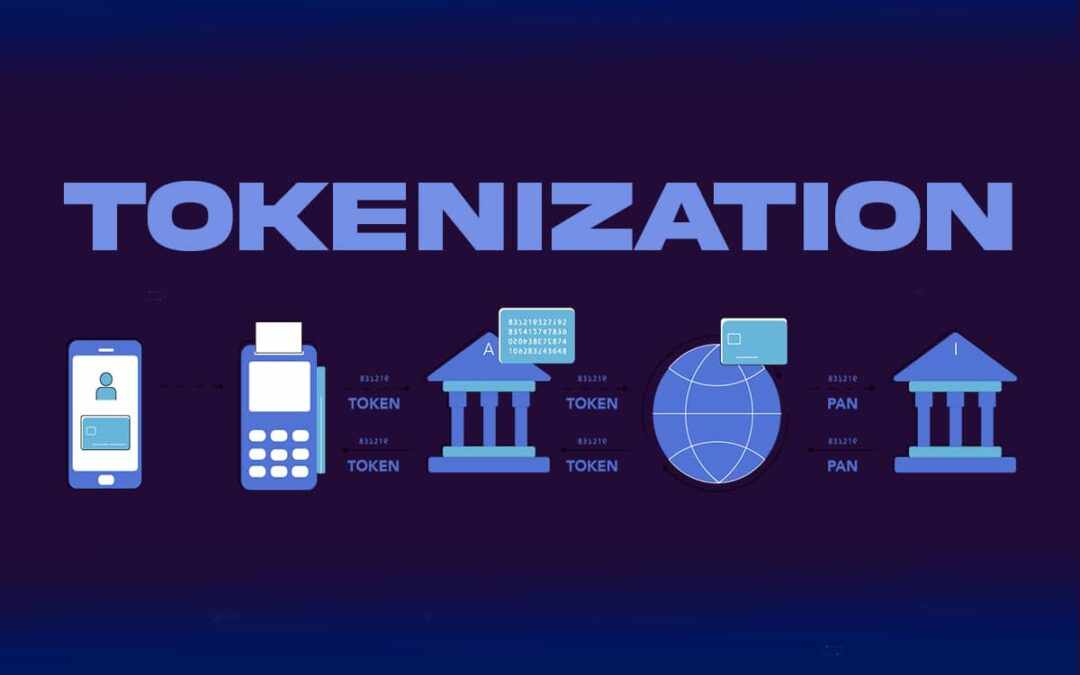
DeFi-integrated meme coins introduce the concept of tokenized branding, where every interaction, purchase, or engagement is financially represented on-chain. Unlike traditional loyalty points, tokenized assets are verifiable, transferable, and tradable, giving users a sense of empowerment.
Brands can also experiment with DeFi-backed staking models, where users lock meme tokens to unlock tiered membership benefits or digital experiences. For example, holding a certain amount of a brand’s meme coin could grant access to premium events, governance rights, or exclusive NFTs.
This integration of finance and marketing redefines the relationship between consumers and brands from passive spectators to active participants in value creation.
Challenges in Meme Coin Development and DeFi Integration
While the potential is immense, merging DeFi utilities with meme coin development presents certain challenges. The volatility of meme coins can discourage mainstream adoption, while regulatory uncertainties around DeFi create barriers for brands exploring these technologies.
Additionally, ensuring smart contract security is crucial, as vulnerabilities can lead to financial loss or reputational damage. Brands must also maintain liquidity sustainability, preventing token devaluation after initial marketing pushes.
Despite these challenges, the continued growth of blockchain infrastructure, auditing protocols, and compliance frameworks is paving the way for safer and more scalable meme coin ecosystems.
The Role of NFTs and DeFi in Strengthening Meme Coin Utility
NFTs (Non-Fungible Tokens) are enhancing the meme coin narrative by adding uniqueness and creative ownership to token ecosystems. Brands can combine meme coins and NFTs to offer hybrid reward systems for example, holders of a brand’s meme coin could mint exclusive NFTs representing community milestones, merchandise, or limited-edition content.
DeFi protocols can then integrate these NFTs into lending or staking platforms, turning collectibles into yield-generating assets. This combination of meme coin liquidity, DeFi utility, and NFT creativity forms a triple-layered ecosystem of engagement, ownership, and profitability.
Case Examples: Brands Using Meme Coin Concepts for Adoption
Although meme coin branding is still emerging, a few companies and communities have pioneered the concept:
Elon Musk and Dogecoin – Tesla and SpaceX’s playful endorsement of Dogecoin brought massive awareness, showing how community-driven humor can influence real-world payments.
Pepe Unchained – A project combining meme culture with DeFi staking rewards, attracting holders seeking yield and fun.
Floki Inu – A meme coin project expanding into education and gaming sectors through DeFi integrations, reflecting how community tokens can fuel broader ecosystems.
These examples prove that when creativity meets decentralized finance, meme coins can transcend entertainment and drive authentic brand engagement.
How Meme Coins Redefine Community-Driven Marketing
At their core, meme coins thrive on virality and emotional connection. Traditional marketing strategies often focus on impressions and clicks, but meme coins build organic momentum through participation. Every token holder becomes a brand ambassador, amplifying visibility across social platforms.
DeFi amplifies this impact by giving financial meaning to participation. For example, referral systems and staking rewards incentivize word-of-mouth growth, turning communities into self-sustaining ecosystems. The result is a new form of community-driven marketing, where audiences co-own and co-shape brand evolution.
The Future of DeFi-Powered Meme Coins in Global Brand Adoption
As Web3 technologies mature, DeFi-integrated meme coins will become essential tools for next-generation marketing. With the rise of decentralized identity, cross-chain liquidity, and token-based engagement, brands will shift from centralized campaigns to tokenized ecosystems.
In the future, consumers might interact with brands not just through social media but through decentralized wallets, staking platforms, and NFT marketplaces all powered by branded meme tokens. These interactions will create data-rich, transparent, and financially rewarding experiences, marking a new era of participatory economics.
Meme coins, once dismissed as jokes, will thus stand as symbols of digital culture, creativity, and decentralized empowerment.
Conclusion
The fusion of DeFi utility and meme coin development is reshaping how brands interact with audiences. What began as internet humor has evolved into a sophisticated strategy for brand adoption, financial inclusion, and community empowerment.
By leveraging DeFi tools like staking, liquidity pools, and governance, meme coins can maintain both entertainment value and tangible utility. Brands that understand this dynamic can build ecosystems where consumers are no longer mere spectators but co-creators of value.
As DeFi continues to democratize finance and meme coins redefine marketing culture, the synergy between the two is poised to revolutionize brand engagement in Web3. The result is a world where humor, finance, and loyalty merge transforming memes into meaningful assets that drive real-world brand success.






Write a comment ...